
Category
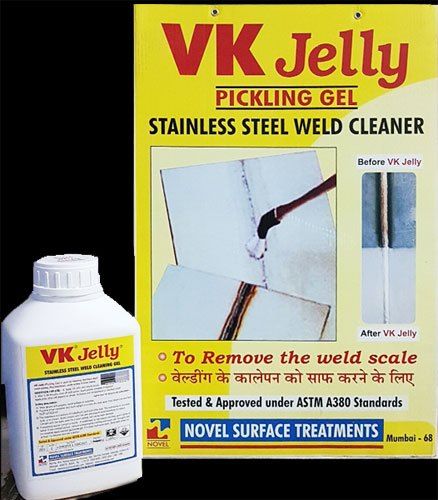
VK stainless steel pickling and passivation
Welding and fabrication leave heat tint, scale and free iron on stainless steel, and these become the points where rust starts. Pickling removes the discoloured oxide layer and the contamination; passivation then helps the protective chromium-oxide layer that makes stainless steel corrosion resistant re-form evenly.
VK products we supply
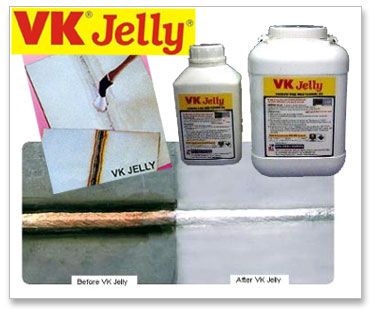
- VK Jelly pickling paste and gel, brushed onto welds
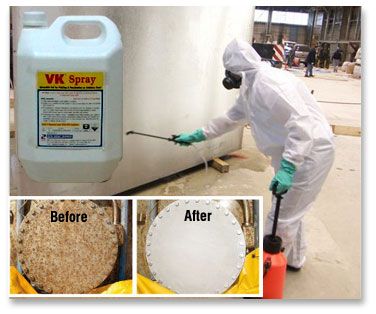
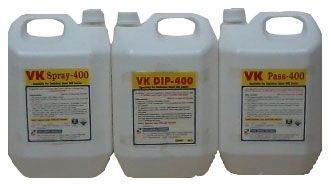
- VK pickling spray gel for larger surfaces
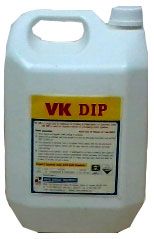
- VK pickling dip liquid for immersing parts
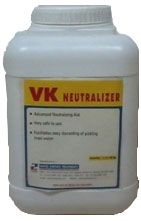
- VK neutraliser for treating surfaces and rinse water after pickling
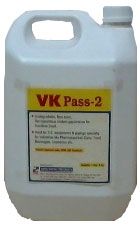
- VK Pass-1 and VK Pass-2 passivation, and pickling-passivation products for duplex and super duplex stainless steel
Using pickling products safely
Pickling chemicals are strong acids. Wear the PPE specified on the safety data sheet, work in a well-ventilated area, and neutralise residues before disposal.
VK JELLY: Frequently Asked Questions
What is the difference between pickling and passivation?
Pickling removes heat tint, scale and contamination from the stainless steel surface. Passivation treats the clean surface so that the protective chromium-oxide layer forms evenly. Most fabricators pickle first and then passivate.
Can VK products be used on duplex stainless steel?
Yes. There is a VK pickling and passivation product for duplex and super duplex stainless steel.